
10 Common Mistakes When Buying Furniture and How to Avoid Them
Discover the 10 most common mistakes furniture buyers make and learn how to avoid them for smarter, longer-lasting choices.
Buying furniture is a significant investment, and mistakes made during this process can have long-term consequences. From incorrect measurements to choices based solely on price, there are many pitfalls to avoid. In this guide, we present the 10 most common mistakes and how to steer clear of them.
1. Incorrect or Missing Measurements
The most common mistake is not measuring the available space correctly. Many buyers estimate dimensions by eye, resulting in furniture that does not fit. Always measure at least twice, noting available width, height, and depth, and account for fixed elements: outlets, radiators, doors, and windows.
2. Ignoring Hardware Quality
Hardware is the functional backbone of any piece of furniture. Cheap hinges fail after a few months, low-quality slides jam, and lift mechanisms lose their strength. Always choose quality hardware, such as that from Hafele, which guarantees silent operation and durability of over 50,000 opening cycles.
3. Choosing Based Solely on Price
A low price may seem attractive, but cheap furniture deteriorates quickly. Thin chipboard, superficially applied edging, and low-quality paint are signs you will be replacing the piece within a few years. Instead of buying twice, invest once in quality furniture that stands the test of time.
4. Not Adapting to the Room Type
Each room has specific requirements. Bathroom furniture must withstand humidity, kitchen furniture must handle high temperatures and steam, and bedroom furniture should be functional while offering generous storage space. Do not choose the same materials and finishes for all rooms without considering the conditions of use.
5. Neglecting Ergonomics
A cabinet that is too tall, a work surface at the wrong height, or a wall-mounted unit installed incorrectly can cause daily discomfort. Ensure your furniture respects ergonomic principles: kitchen countertops at 85-90 cm, wall cabinets at 140-150 cm from the floor, and workspaces at a height that allows correct posture.
6. Underestimating Storage Needs
Many buyers choose aesthetic furniture without evaluating their real storage needs. Before purchasing, inventory the items you need to store and plan the space accordingly. A well-compartmentalized wardrobe or a cabinet with adjustable shelves makes the difference between order and chaos.
7. Ignoring the Overall Style of Your Home
A spectacular individual piece of furniture can look out of place if it does not integrate with the overall style of your home. Maintain consistency in colors, materials, and design lines. If you have a modern home, classic furniture with ornamental details will not integrate harmoniously.
8. Lack of Long-Term Planning
Think about future needs, not just present ones. Your family may grow, hobbies change, and the home office becomes increasingly important. Choose modular and configurable solutions that can be adapted over time.
9. Not Requesting Material Samples
Colors and textures look different on screen compared to reality. Always request material samples and compare them in the natural light of the room where the furniture will be placed. A natural oak can look very different depending on the room's lighting.
10. Buying Without Custom Configuration
Standard flat-pack furniture offers fixed dimensions that rarely fit your space perfectly. Custom furniture, configured exactly to your needs, eliminates compromises and maximizes every available centimeter.
How to Avoid All These Mistakes
The simplest solution is to use a 3D configurator that allows you to visualize furniture in the exact dimensions of your space, choose materials and hardware, and see the price in real time. This way, you eliminate the risk of incorrect measurements, unsuitable choices, and delivery surprises.
Start configuring your perfect furniture now, without any of these mistakes. Open the Téchne 3D Configurator and create the ideal piece for your home.
Practical Checklist Before Purchasing
To avoid the mistakes listed above, use this verification checklist before any furniture purchase:
- Triple measurements — measure width, height, and depth at least three times, at different points (bottom, middle, top). Walls are rarely perfectly straight, and 1-2 cm differences can prevent a wardrobe from fitting.
- Object inventory — count the clothes, shoes, books, or dishes you will store. This simple exercise shows you how many shelves, drawers, and clothing rails you actually need.
- Hardware verification — ask for the technical specifications of hinges and slides. Hafele hardware, for example, guarantees over 50,000 opening cycles — the equivalent of 15-20 years of daily use.
- Material samples — request physical samples and compare them in the natural light of your room. On-screen colors can differ significantly from reality.
- Supplier verification — look up the company registration number, reviews with photos, and examples of completed projects. A serious supplier has nothing to hide.
When Custom Furniture Prevents Mistakes
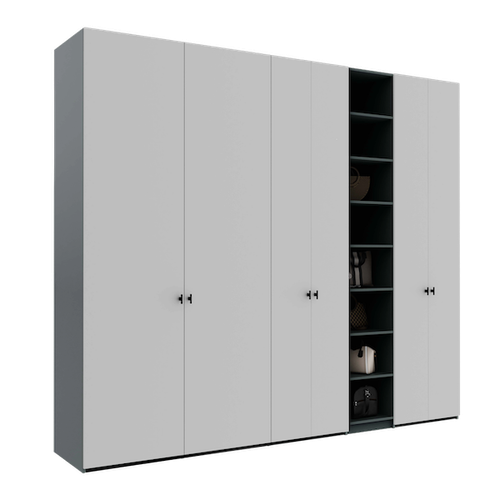
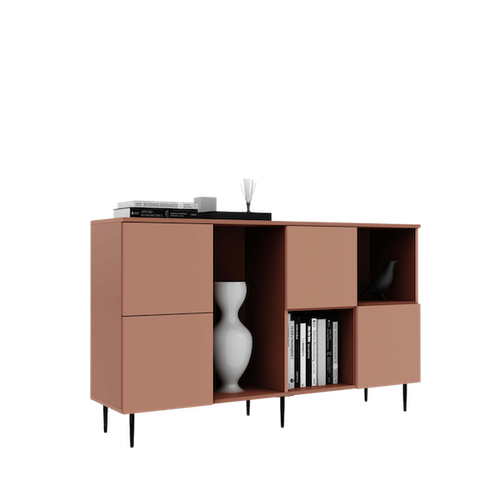
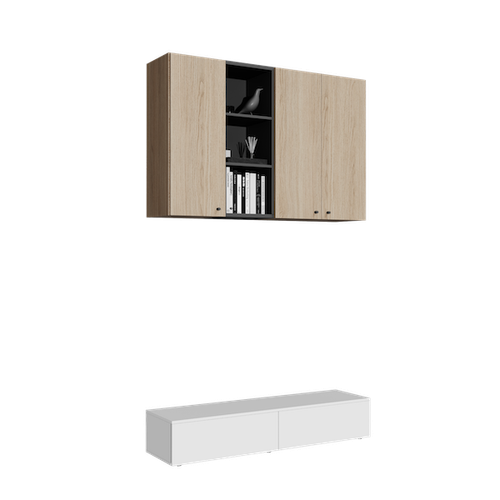
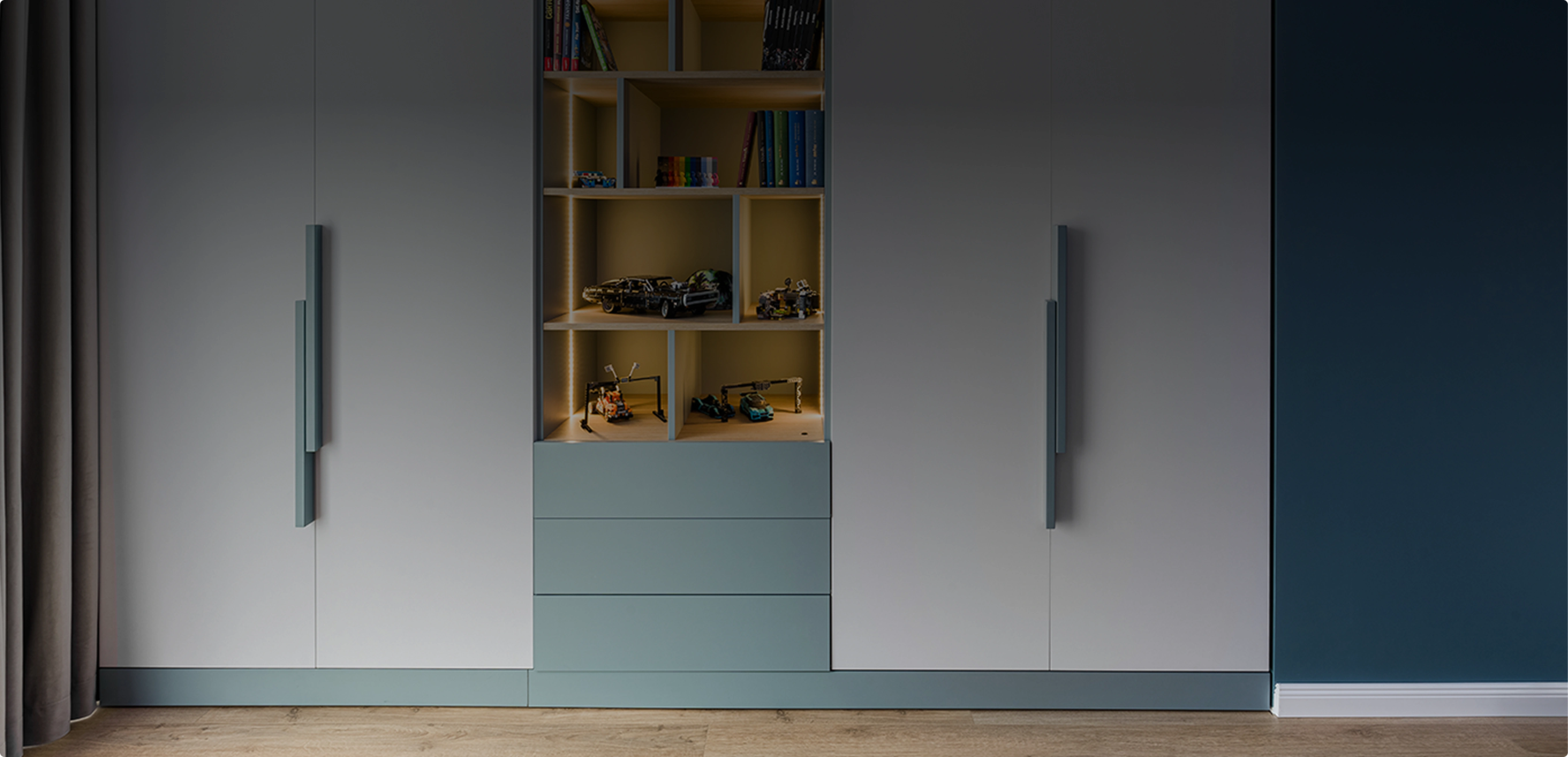
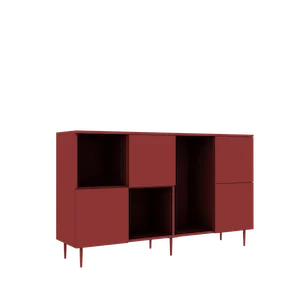
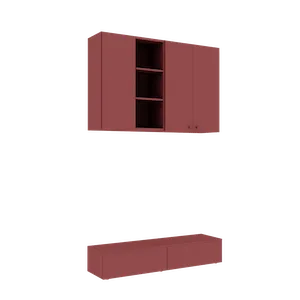
Many of the 10 mistakes above disappear automatically when you choose furniture configured for your space. A wardrobe configured to the centimeter eliminates the risk of incorrect measurements. A sideboard designed for your needs will be neither too large nor too small. A wall cabinet sized exactly integrates perfectly on the wall with no gaps. The Téchne configurator is designed to prevent these mistakes — it doesn't allow impossible dimensions, incompatible combinations, or unsafe structures.
The Téchne 3D configurator lets you experiment freely — change dimensions, materials, colors, and compartments at no cost and with no pressure. Every modification is instantly reflected in the 3D visualization and price, giving you total control over your decision. The final order reflects exactly what you designed, eliminating delivery surprises. And if you still have doubts, don't worry: the Téchne team manually reviews every order before launching it into production.
Investing in quality furniture, correctly configured, pays for itself within 3-5 years compared to repeatedly replacing cheap furniture. Over a 15-year period, the cost difference becomes insignificant, but the difference in comfort and durability is enormous.