
Custom furniture vs modular: why made-to-measure is the better investment
Discover why custom-made furniture, designed precisely for your space, outperforms any modular system. 3D configurator, premium materials, zero compromises.
When looking for a flexible furniture solution, you have probably encountered the term "modular furniture" — prefabricated units that you combine according to rules set by the manufacturer. It sounds practical, but in reality it comes with a series of compromises that few mention.
What Modular Furniture Promises — and What It Delivers
Modular furniture works on the principle of standard units: bodies with fixed dimensions that you align. In theory, you have flexibility. In practice:
- Dimensions are restricted — you choose from 3-4 preset widths, never achieving a perfect wall fit
- Gaps are inevitable — walls never have exact multiples of module dimensions
- Interiors are generic — the same shelves and rails, without compartmentalization adapted to your needs
- Materials are budget-grade — at modular prices, quality suffers
Custom Furniture: Real Flexibility, Not Apparent
Téchne custom furniture starts from your space, not from a module catalog. The online 3D configurator lets you set:
- Exact width — to the centimeter, wall to wall, with no gaps
- Precise height — under ceiling, under slope, in niche or under stairs
- Optimal depth — adapted to available space, not an imposed standard
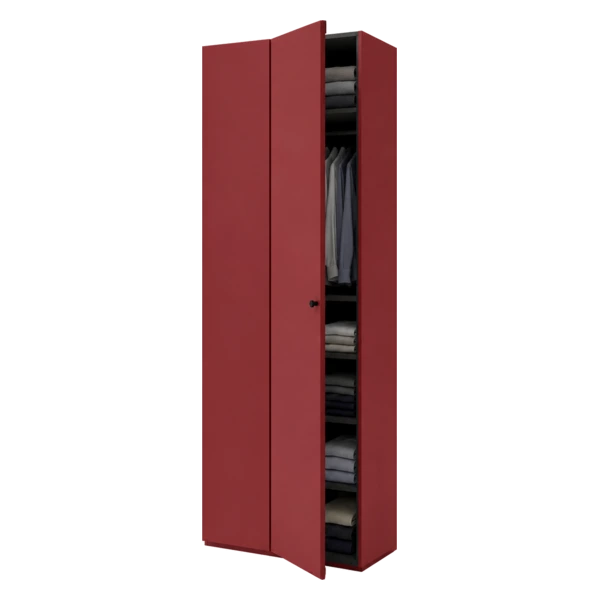
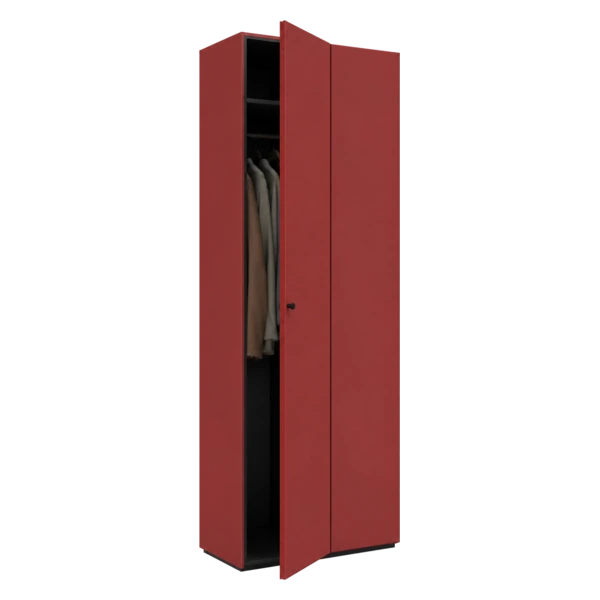
- Fully customized interior — each compartment designed for what you actually store
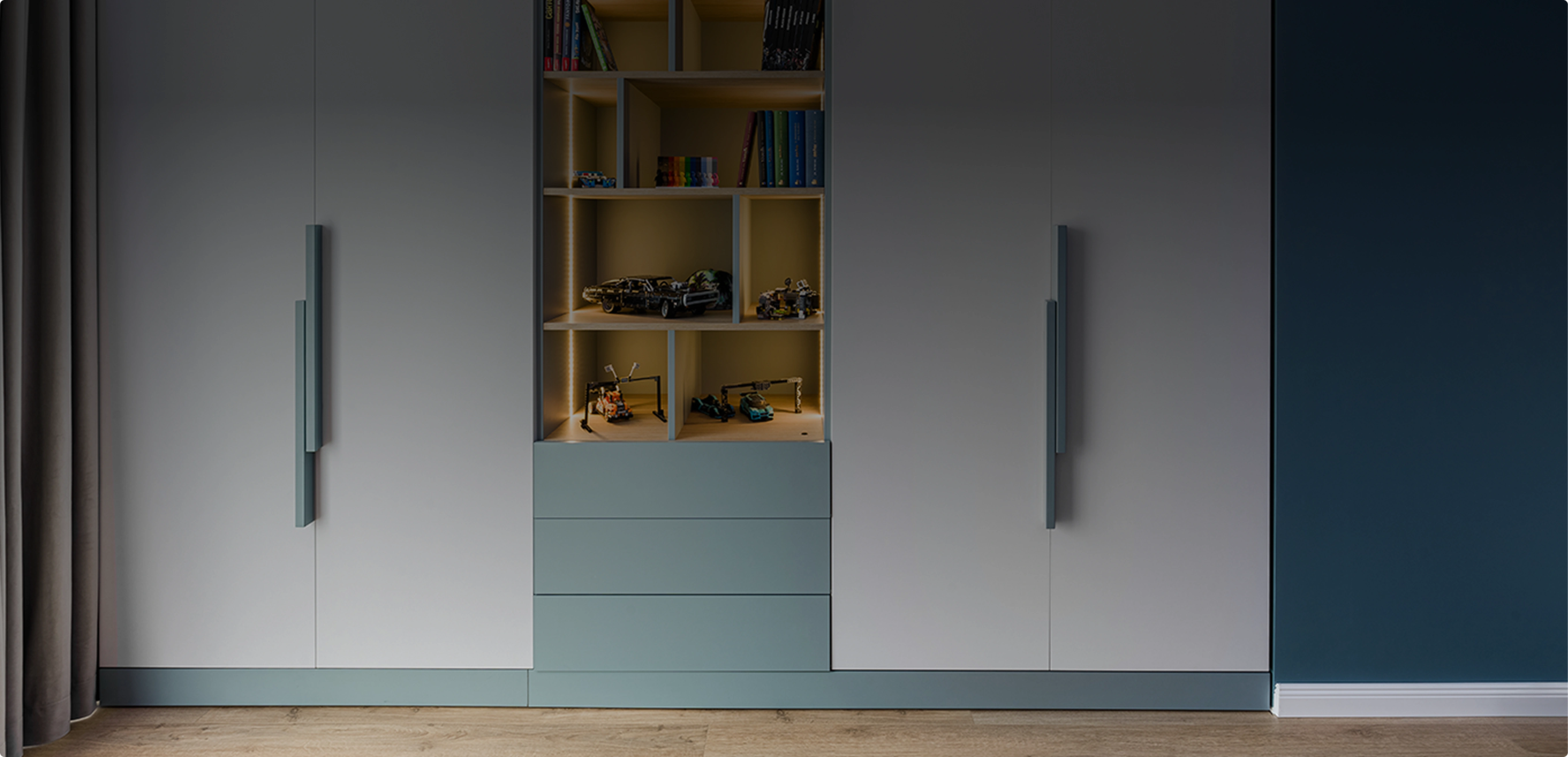
The result is a piece of furniture that looks like it was built with the home — because it was designed precisely for it.
Direct Comparison: Modular vs Custom
Let us take the example of a wardrobe for a 280 cm wide bedroom:
- Modular option: 2 units of 120 cm + 1 of 40 cm = 280 cm. But interior shelves have fixed positions, you cannot choose compartment types per unit, and visible gaps remain between modules.
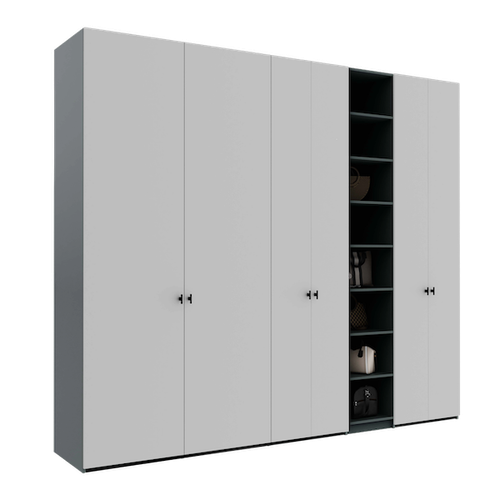
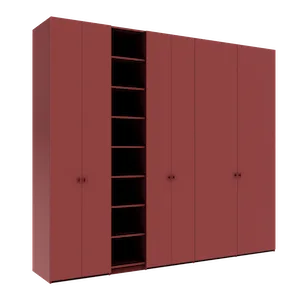
- Téchne option: A single 280 cm unit with 5-6 customized columns — clothing rail at the ideal height, interior drawers where needed, shelves at the right distances for what you store.
Flexibility vs. Reconfigurability: An Important Distinction
Modular furniture manufacturers often use the reconfiguration argument: "You can move the modules into a different combination!" In reality, when was the last time you moved a 40 kg wardrobe unit from one corner of the room to another? Modular reconfigurability is a theoretical argument that very few people actually use in practice.
Real flexibility means something else:
- Flexibility in design: You can configure exactly what you need from the start, without dimension or compartmentalization compromises. With the Téchne configurator, you adjust every centimeter.
- Flexibility in use: Height-adjustable shelves allow you to change the interior organization at any time, without tools. Want to move a shelf up or down? Remove it from the shelf supports, move the supports to the desired holes and place the shelf back. It takes 30 seconds.
- Flexibility over time: If your needs change radically (for example, you end up storing more clothes and fewer boxes), you can order additional individual components — a set of interior drawers, an extra shelf, a clothing rail — without replacing the entire wardrobe.
Real-World Scenarios: What Happens When You Move
One of the classic arguments for modular furniture is: "When I move, I take it with me and reconfigure it." Let us analyze this scenario realistically:
- With modular furniture: You disassemble 3-4 modules (if you kept the instructions and spare screws). You transport them. In the new apartment, the wall is 295 cm, not 280 cm — you are left with a 15 cm gap. Or the wall is only 250 cm and one module no longer fits. Result: compromise or additional purchase.
- With Téchne furniture: If your 280 cm wardrobe does not fit in the new apartment, you have two excellent options. First: sell the current wardrobe (quality custom furniture retains its value on the second-hand market much better than modular furniture) and configure a new one, perfect for the new space. Second: if the dimension difference is small (under 10 cm), the wardrobe can be adapted by the assembly team — an extension panel or lateral adjustment resolves the situation.
When the Room Changes: Adaptation Without Replacement
Life changes — a child is born, a teenager leaves for university, the home office becomes a guest room. In each of these situations, storage needs change. With a Téchne wardrobe:
- Child's room becomes an office: Remove the clothing rail for small jackets, add shelves at desk height for folders and documents. Shelves are height-adjustable, so the change takes 10 minutes.
- Bedroom becomes a guest room: If you have a wardrobe with 6 columns and no longer need all the space, leave 2-3 columns free for guests and use the rest for seasonal storage.
- A second child: A 250-300 cm wardrobe naturally divides between two children — the left half for one, the right half for the other, with different separator colors if you want visual distinction.
Long-Term Value: An Objective Analysis
Let us compare the total cost over 15 years between the two approaches:
- Modular furniture (typical scenario): Initial purchase: 2,500 RON. After 3-4 years, hardware fails and you replace 1-2 modules: +1,200 RON. After 7-8 years, the visual appearance deteriorates, edges peel, and you replace completely: +2,500 RON. Total cost over 15 years: approximately 6,200 RON.
- Téchne furniture (typical scenario): Initial purchase: 4,000 RON. In the first 5 years, any defect is covered by warranty: 0 RON. After 10-15 years, the furniture still looks good, you may replace a hinge or a set of slides: +100-200 RON. Total cost over 15 years: approximately 4,200 RON.
Quality custom furniture costs less in the long run, even if the initial price is higher. And that is without putting a price on the satisfaction of having a wardrobe that fits perfectly, with no gaps and no compromises.
Material Quality: A Decisive Chapter
Modular furniture from stores typically uses thin chipboard and basic hardware. Téchne furniture uses 18mm Egger or Kronospan chipboard, Hafele hardware, and industrial-grade ABS edging. The difference is felt at first touch and visible after 5-10 years of use.
Delivery Time and Assembly
A real advantage of modular furniture is immediate availability — you buy it and take it home. Téchne custom furniture has a 2-3 week production time, but comes with professional delivery and assembly included. No tools needed, no deciphering instructions, no leftover screws.
Conclusion: The Smart Investment
Modular furniture seems flexible but forces you to adapt to the manufacturer dimensions. Téchne custom furniture adapts to you — to your space, your needs, your style. And with the online 3D configurator, the design process is as simple as choosing modules from a catalog, but with incomparably better results. At Téchne, the intelligent configurator guides you through validated options — it won't let you get the dimensions wrong or choose incompatible material combinations.
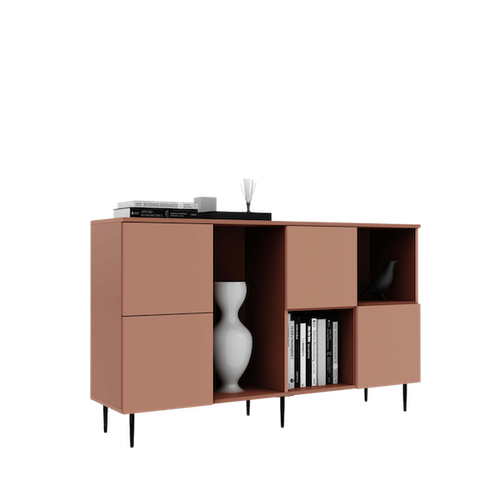
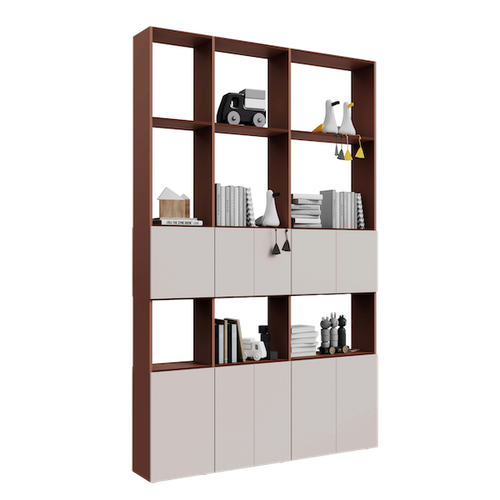
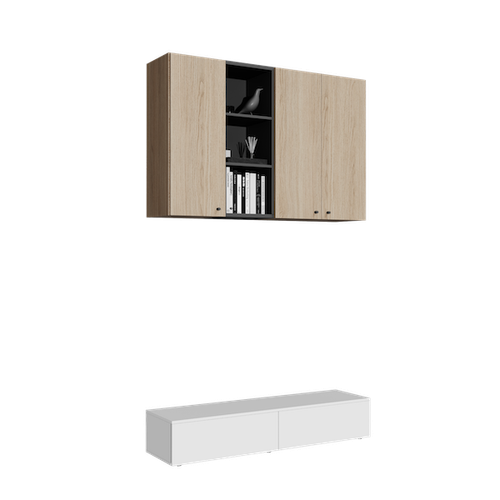
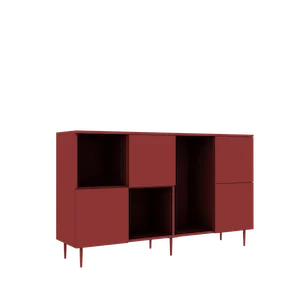
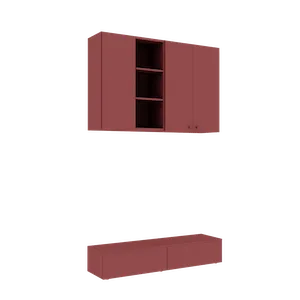
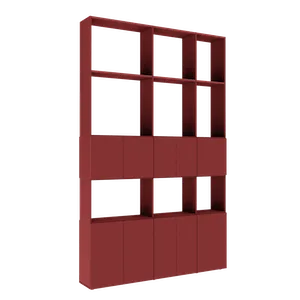
From wardrobes and sideboards to room dividers and wall cabinets, every Téchne piece is designed exclusively for your space. And before production, a human operator verifies every order — an additional safety step. And before production, a human operator verifies every order — an additional safety step.
Design furniture that fits perfectly: Open the 3D configurator